

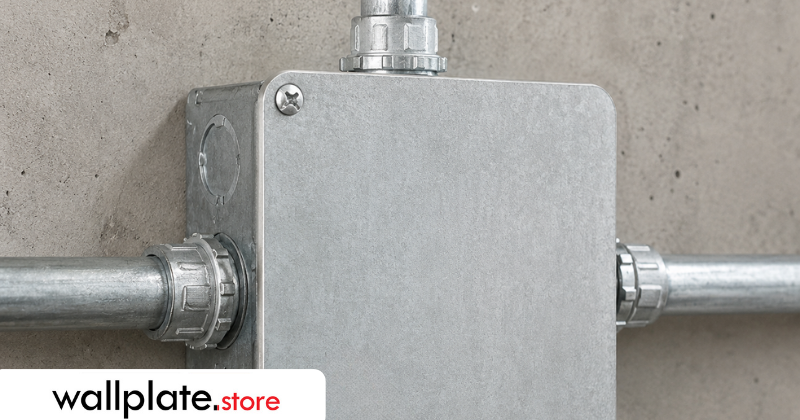
Sometimes electrical boxes are installed but never used. Other times switches, outlets, light fixtures, or electrical devices are removed during renovations. Instead of leaving an exposed opening in the wall or ceiling, electricians use blank wall plates and electrical box covers to safely create a clean finished appearance.
Blank wall plates may seem simple, but they are one of the most common products used during remodeling projects, new construction, maintenance work, future expansion planning, and electrical service work.
Whether you need a single-gang blank cover, a multi-gang oversized wall plate, or a round electrical box cover, choosing the correct type can make a big difference.
If you're looking for standard and oversized blank wall plates in a wide range of configurations, browse our collection of Blank Wall Plates.
What Is a Blank Wall Plate?
A blank wall plate covers an unused or active electrical opening. Rather than removing an electrical box completely, contractors often leave the box in place and install a blank plate over it.
Blank plates can be used on:
- Unused switch locations
- Removed outlets
- Future expansion points
- Abandoned low-voltage wiring
- Old control systems
- Remodeling projects
- Temporary electrical access points
- Junction boxes used to split wiring
- Utility and maintenance access boxes
In many installations, the electrical box itself remains active and contains wire connections, even though no visible device is installed.
They are available in many configurations including:
- 1-gang blank wall plates
- 2-gang blank wall plates
- 3-gang blank wall plates
- 4-gang and larger multi-gang configurations
- Standard size plates
- Jumbo/Oversized plates
Oversized versions are especially helpful when repairing damaged drywall or covering larger openings left behind during renovations.
Why Do Electricians Leave Boxes Installed?
Many homeowners assume unused boxes should simply be removed. In practice, that is often unnecessary or impractical.
Electricians frequently leave boxes installed because:
- Wiring may still exist inside
- Future use is planned
- Removing wiring may require major wall repairs
- Building owners may later change layouts
This is especially common in commercial buildings, schools, hospitals, hotels, and large homes.
For example, a luxury home may be pre-wired for decorative wall sconces in a dining room or living room. The homeowner may not yet know which fixtures will be installed. Instead of closing the wall entirely, electricians often leave the box accessible and install a cover plate until the final fixture is selected.
Years later, the wiring remains available and ready for future use.
Blank Covers for Junction Boxes and Utility Boxes
Not every blank cover is used because an electrical box is abandoned or no longer needed.
Many electrical boxes remain fully active and are intentionally installed to serve as junction boxes.
A junction box allows electricians to safely connect and split wiring in multiple directions. For example, power may enter a box and then branch out to feed lighting, outlets, switches, or other electrical equipment throughout a building.
Even though no switch or receptacle may be installed, the box itself still serves an important purpose.
Electrical codes generally require junction boxes to remain accessible. Electricians cannot permanently hide these boxes behind drywall or cover them in a way that prevents future access.
Instead, a blank cover is installed so the wiring remains protected while still allowing future service access if needed.
This is extremely common with:
- 4x4 electrical boxes
- Square junction boxes
- Utility handy boxes
- Commercial electrical installations
- Maintenance access locations
These covers are especially common in schools, hospitals, apartment buildings, warehouses, and commercial projects where wiring layouts frequently change over time.
For smaller utility-style installations, electricians often use utility box covers designed specifically for metal handy boxes.
Example: 1-Gang Galvanized Steel Blank Utility Cover
Unlike decorative wall plates used in living spaces, these covers are often chosen primarily for protection, code compliance, durability, and future accessibility.
Standard vs Jumbo Blank Wall Plates
Not all blank plates are the same size.
Standard wall plates cover ordinary electrical openings.
Jumbo or oversized wall plates provide additional coverage around the edges and are commonly used when:
- Paint lines are uneven
- Drywall cuts are oversized
- Existing walls have damage
- Remodeling left visible imperfections
Many electricians intentionally keep oversized blank plates on service vehicles because they quickly solve cosmetic problems without requiring drywall repair.
What Are Round Electrical Box Covers?

Blank wall plates and round electrical box covers are often confused, but they serve different purposes.
Blank wall plates typically cover device openings on walls. Round covers are designed for ceiling or round electrical boxes.
You can view our round cover collection here: Round Blank Cover-Up Plates.
These products are extremely common after lighting changes.
- Old ceiling fixtures removed during remodeling
- Light fixtures replaced with LED strip lighting
- Future fixture locations
- Future sconces
- Access points for future electrical work
Many contractors refer to them as "blank-up covers" or "cover-up plates."
One Product Type, Multiple Mounting Options
Round blank cover-up plates are a specialized product compared to standard blank wall plates.
While blank wall plates come in many gang sizes and configurations, round covers are typically one basic product category with different mounting options.
One especially useful option uses a universal mounting bracket with a center attachment point. This design is popular because electricians sometimes encounter older electrical boxes with unknown screw spacing. Instead of making multiple trips or carrying several versions, the universal design can solve the problem quickly.
For maintenance teams and service electricians, that flexibility can save significant time.
Why Hotels, Schools, and Hospitals Buy Them in Bulk
While homeowners often purchase one or two blank covers during a project, commercial users frequently purchase them in large quantities.
Facilities commonly needing large quantities include:
- Hotels
- Schools
- Hospitals
- Apartment buildings
- Office buildings
- Maintenance departments
Electrical systems constantly change over time. Devices are removed, layouts change, rooms are renovated, and future projects are planned.
Blank plates help maintain a clean, professional appearance while keeping future access available.
Final Thoughts
Blank wall plates may not be the most exciting electrical product, but they solve countless everyday problems.
From single-gang wall plates to oversized covers and round electrical box covers, they help electricians and building owners create safer and cleaner installations.
Whether you need a single replacement cover or large quantities for a commercial project, choosing the correct blank plate can save time and simplify future work.
Browse our complete collection of Blank Wall Plates and Round Blank Cover-Up Plates.