

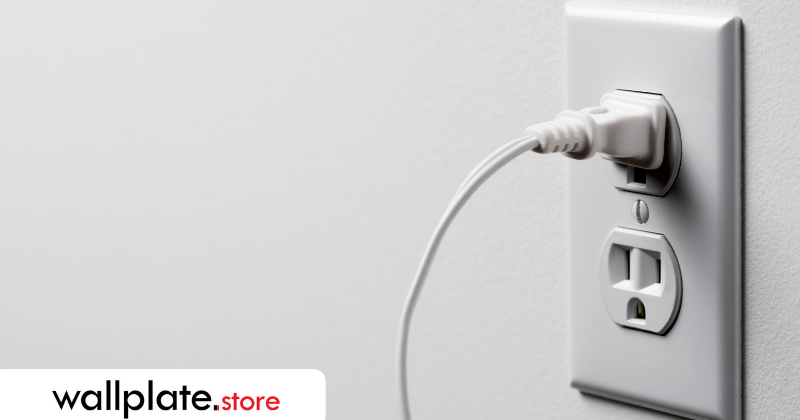
Switches, outlets, and wall plates are often grouped together because they all work as part of the same finished electrical installation. The switch or outlet provides the electrical function, while the wall plate covers the device, protects the opening, and gives the installation a clean finished look.
Whether you are replacing old outlet covers, upgrading switches during a remodel, or buying wall plates for a commercial project, understanding the basic differences can help you choose the right cover the first time.
What Are Switches, Outlets, and Wall Plates?
Switches
Switches control power to lights, fans, and other electrical fixtures. Common switch types include toggle switches, rocker switches, dimmers, three-way switches, motion sensors, and smart switches.
Outlets
Outlets, also called receptacles, provide a place to plug in electrical devices. Common outlet types include duplex outlets, GFCI outlets, USB outlets, tamper-resistant outlets, and commercial-grade receptacles.
Wall Plates
Wall plates, also called switch plates, outlet covers, or electrical cover plates, are the visible covers installed over switches and outlets. They help protect the electrical box opening and improve the appearance of the wall.
Common Types of Wall Plates
Wall plates come in many configurations depending on the device underneath. Some of the most common styles include:
- Toggle switch plates for traditional up-and-down switches
- Duplex outlet covers for standard two-plug receptacles
- GFCI/Rocker wall plates for rectangular devices, including rocker switches and GFCI outlets
- Combination wall plates for installations with more than one device type
- Blank wall plates for covering unused electrical box openings
- Oversized or jumbo wall plates for covering gaps, paint lines, and drywall imperfections
Why Oversized Wall Plates Are So Popular
Oversized wall plates are one of the most useful options for both homeowners and electricians. They are slightly larger than standard wall plates, which allows them to cover minor wall damage, uneven drywall cuts, old paint lines, or gaps around the electrical box.
This makes oversized plates especially helpful after remodeling, painting, backsplash installation, or replacing older electrical devices. In many cases, an oversized wall plate can create a clean finished look without requiring wall repair.
Shop jumbo and oversized wall plates
Metal vs. Plastic Wall Plates
Metal Wall Plates
Metal wall plates are no longer used only in commercial and industrial settings. They have become increasingly popular in residential homes as well, especially for homeowners looking for a more durable and upgraded appearance.
White painted metal wall plates remain one of the most popular choices because they offer the classic look of a standard wall plate with added strength and durability.
Black matte metal wall plates have also grown in popularity for modern interiors, while stainless steel wall plates are frequently used in kitchens, contemporary homes, and spaces designed around stainless appliances and clean architectural finishes.
Metal wall plates are valued for their durability, premium appearance, and long-term performance in both residential and commercial environments.
Plastic Wall Plates
Plastic wall plates are lightweight and commonly used in basic residential applications. They are usually lower cost, but they may crack more easily and may not offer the same durability as metal plates in busy environments.
Matching the Wall Plate to the Device
The most important step when choosing a wall plate is matching the opening to the device installed in the wall. A toggle switch needs a toggle opening. A duplex outlet needs a duplex opening. A GFCI outlet or rocker switch needs a rectangular GFCI/rocker-style opening.
For multi-gang boxes, you may need a combination plate with several openings in one cover. These are especially common in kitchens, offices, conference rooms, schools, healthcare facilities, and commercial buildings.
Shop combination wall plates
Popular Wall Plate Applications
Different projects call for different wall plate styles. Here are some common examples:
- Homes and apartments: white metal plates, oversized covers, duplex outlet covers, and rocker switch plates
- Kitchens: stainless steel plates, GFCI covers, and oversized plates around backsplash areas
- Commercial offices: durable metal plates and combination configurations
- Healthcare facilities: metal wall plates, red emergency plates, stainless steel covers, and USA-made options
- Schools and municipal buildings: durable covers, made-in-USA metal plates, and project documentation support
Standard, Oversized, and Specialty Sizes
Wall plates are available in several sizes. Standard wall plates work for most new installations. Oversized or jumbo plates are larger and are often used to cover imperfections or provide a cleaner finished look. Specialty plates may be needed for unusual device combinations, multi-gang installations, or commercial project requirements.
If you are replacing an existing plate, the easiest starting point is to match the device opening and then decide whether a standard or oversized cover is best for the wall condition.
Made in USA Metal Wall Plates
For commercial, government, healthcare, school, and municipal projects, country of origin can matter. Wallplate.store offers metal wall plates that are made in the USA, with item-level information available for qualifying projects.
Learn more about Made in USA and BABA-compliant wall plates
Frequently Asked Questions
What is the difference between a switch plate and an outlet cover?
A switch plate covers a light switch or similar control device. An outlet cover covers an electrical receptacle. Both are types of wall plates.
What is a GFCI or rocker wall plate?
A GFCI or rocker wall plate has a rectangular opening. It is commonly used for GFCI outlets, rocker switches, dimmers, motion sensors, timers, and many modern electrical devices.
What does *Decora®-style mean?
Decora-style usually refers to the rectangular device opening used for rocker switches and GFCI outlets.
*Decora® is a registered trademark of Leviton Manufacturing Co., Inc. These wall plates are compatible with Decora-style rocker and GFCI devices from Leviton and other major brands. These products are not manufactured or endorsed by Leviton.
Are oversized wall plates worth it?
Yes. Oversized wall plates are very useful when you need to cover gaps, drywall cuts, paint lines, or wall imperfections around a switch or outlet. Also useful as a design statement.
Are metal wall plates better than plastic?
Yes. Metal wall plates are generally more durable and are often preferred for commercial, healthcare, industrial, and high-traffic areas. Plastic plates are lightweight and common for basic residential use.
How do I know which wall plate I need?
Look at the device in the wall and match the opening style. Then choose the size, finish, and material that fits your project. For multi-device boxes, choose a combination wall plate with the correct openings.
Shop Wall Plates by Type
- Jumbo and Oversized Wall Plates
- Duplex Outlet Covers
- GFCI / Rocker Wall Plates
- Combination Wall Plates
- Stainless Steel Wall Plates
- White Metal Wall Plates
Final Thoughts
Switches, outlets, and wall plates all work together to complete an electrical installation. The device provides the function, but the wall plate provides the finished appearance, protection, and durability customers see every day.
For homeowners, contractors, electricians, builders, and facility managers, choosing the right wall plate can make a noticeable difference in both appearance and performance.